Jun Tatara
Jun Tatara, de son vrai nom Shigeji Tatarai, est un acteur japonais né le 4 août 1917 à Ishinomaki, dans la préfecture de Miyagi, au Japon. Il est décédé le 30 septembre 2006 à Tokyo, à l’âge de 89 ans. Il est connu pour sa longue carrière au cinéma, au théâtre et à la télévision, ainsi que pour ses nombreux rôles secondaires dans des films japonais devenus célèbres.
Avant de devenir acteur, Jun Tatara travaille au service de restauration de l’hôtel impérial de Tokyo. En 1936, il rejoint une troupe de théâtre appelée Shin-Tsukiji Theatre et fait ses débuts sur scène la même année. Il commence sa carrière cinématographique en 1940. Après une interruption liée à la Seconde Guerre mondiale, il reprend ses activités artistiques et poursuit progressivement sa carrière dans le cinéma japonais.
Jun Tatara connaît une période particulièrement active durant les années 1950 et 1960. Il participe à plusieurs films importants réalisés par de grands cinéastes japonais, notamment Akira Kurosawa, Kenji Mizoguchi, Masaki Kobayashi et Hiroshi Inagaki. Parmi les œuvres auxquelles il contribue figurent Les Sept Samouraïs, sorti en 1954, La Rue de la honte, sorti en 1956, L’Homme au pousse-pousse, sorti en 1958, ainsi que La Condition de l’homme, sorti en 1959.
Grâce à son jeu naturel et à sa capacité à interpréter des personnages variés, Jun Tatara devient un acteur de second rôle apprécié dans le cinéma japonais. Il incarne des personnages ordinaires, des hommes de caractère et différentes figures de la société japonaise. En 1957, il reçoit le prix Blue Ribbon du meilleur acteur dans un second rôle, une distinction qui récompense son talent et sa contribution au cinéma.
En dehors de sa carrière d’acteur, Jun Tatara s’intéresse également à la gymnastique et à la relaxation. Il développe une méthode personnelle d’exercices et publie des ouvrages consacrés au bien-être.
Il poursuit sa carrière pendant plusieurs décennies et apparaît encore dans des productions cinématographiques au début des années 2000. Sa dernière période d’activité témoigne de sa longévité et de son attachement au métier d’acteur.
Jun Tatara reste aujourd’hui une figure représentative du cinéma japonais classique. Même s’il n’a pas toujours occupé les premiers rôles, sa présence dans de nombreux films importants a contribué à la richesse des œuvres auxquelles il a participé. Sa carrière illustre l’importance des acteurs de second rôle dans l’histoire du cinéma japonais et témoigne d’un parcours artistique remarquable, qui s’est étendu sur plus de six décennies.
Photos

Films (174)

Goblin & "Yuki-Usagi" (Snow-Hare)
1995

Edogawa Rampo Theater: The Man Who Travels With Prints
1994 · Shinzo Kanehara
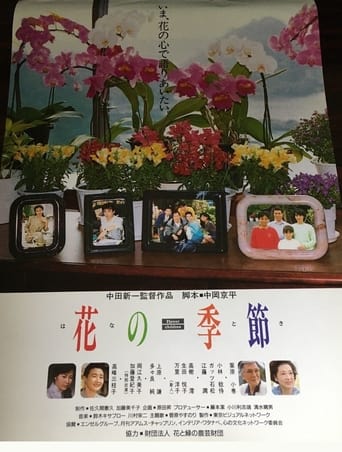
Flower Season
1990

A Sandcastle Model Family Home
1989
Zatoichi: Darkness Is His Ally
1989

The Yen Family
1988 · Umekichi

Hawaiian Dream
1987 · Kenji Ohara

Island of the Evil Spirits
1981 · Tatsuma Osakabe

Troubleman Laughs and Kills
1979

Prey
1979
Flower Cross
1978
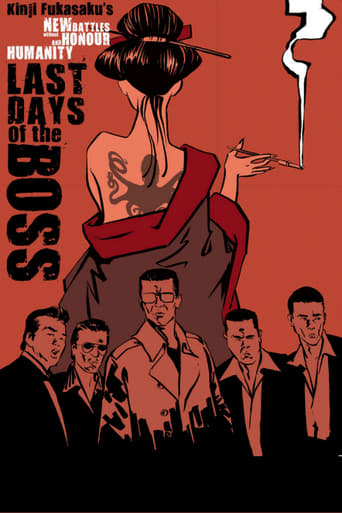
New Battles Without Honor and Humanity 3: Last Days of the Boss
1976 · Iwaki
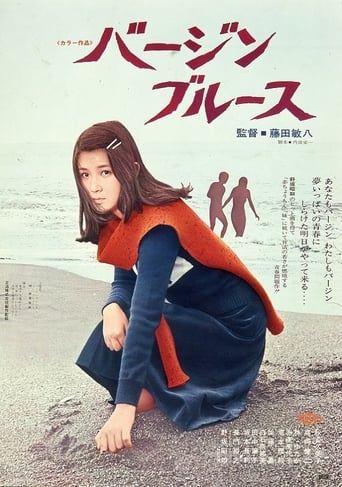
Virgin Blues
1974

Sex Up and Down
1972
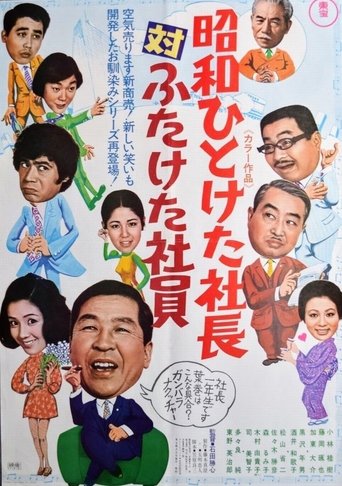
First-Decade President vs. Second-Decade Staff
1971 · President Miura
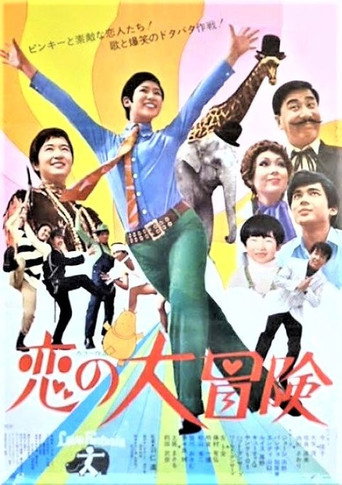
Love Fantasia
1970

Japan's No. 1 Yakuza Man
1970
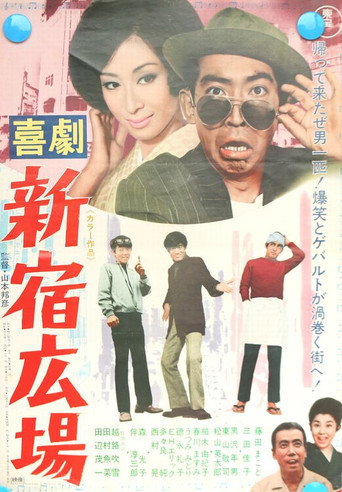
Shinjuku Plaza
1969
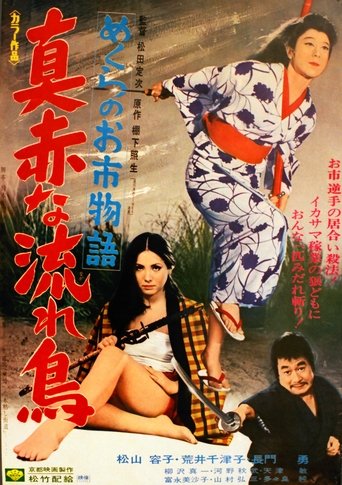
Crimson Bat, the Blind Swordswoman
1969 · Nihei

I Sell My Husband
1968

Kawachi's Futen Tribe
1968
The Hoodlum Priest
1967 · Gonroku

Seishun Tarō
1967

Drunken Harbor
1966

Bad Reputation: Cherry Blossoms
1966

Ironfinger
1965 · Huang Changling

Three Stray Dogs
1965
Born Under Crossed Stars
1965 · Jûbei Suzuki

Black Thief
1964

The Spying Sorceress
1964 · Hattori Hansuke
Samurai from Somewhere
1964
My Lover
1964 · President Ishii

Modae
1964

An Impudent Man 2
1964
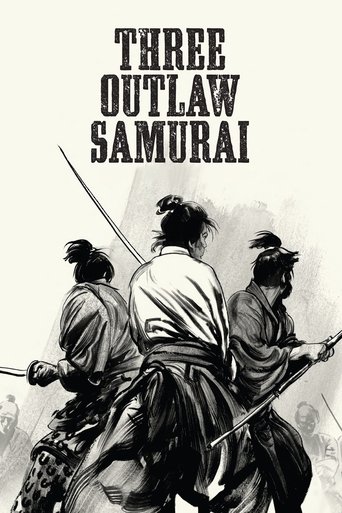
Three Outlaw Samurai
1964 · Yasugorô

Ukyunosuke's Reverse Ichimonji Cut
1964
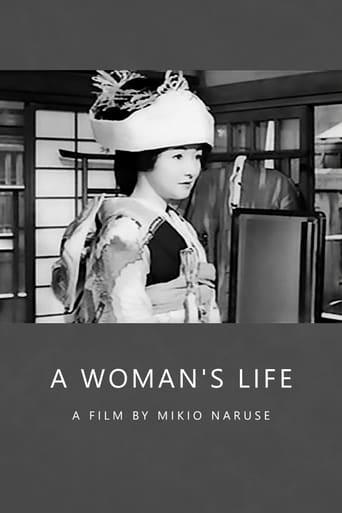
A Woman's Life
1963 · Porter
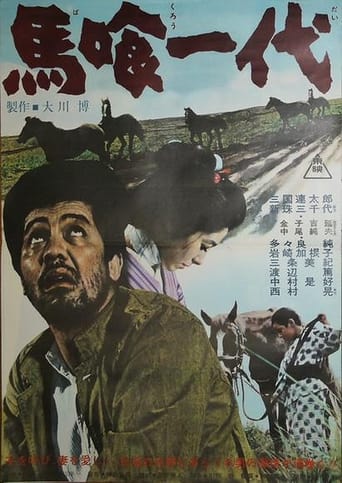
The Life of a Horse-Trader
1963

The Revenge and the Death
1963
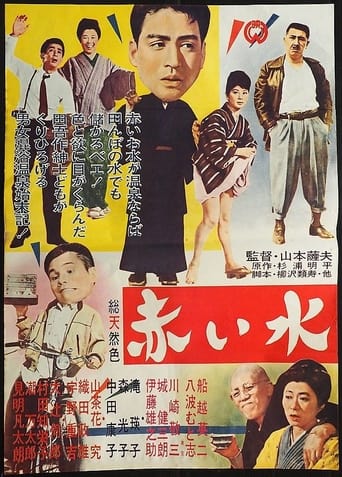
The Red Water
1963
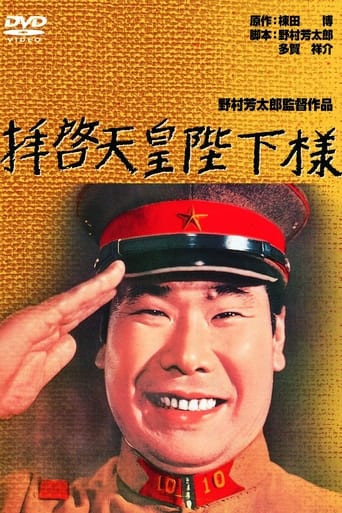
To Your Majesty, The Emperor
1963
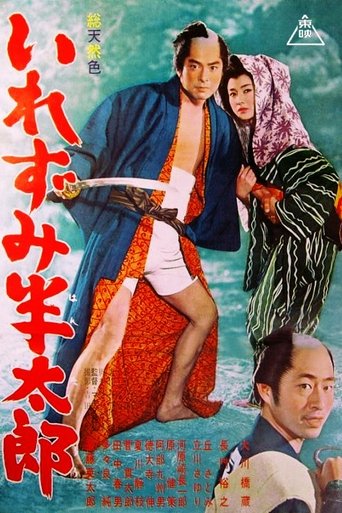
Tattoo of Love
1963

The Paper Crane
1962

Revenge for His Lover
1962
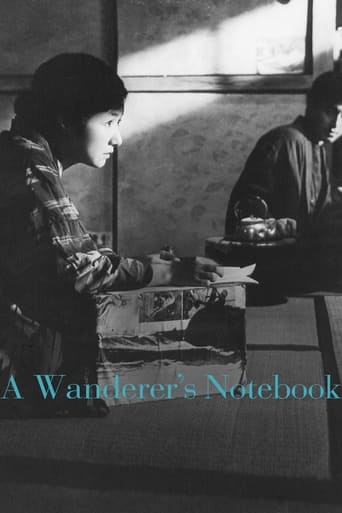
A Wanderer's Notebook
1962 · Tamura

Ganko Oyaji to Edokko Shain
1962

The Phantom Goblin
1962

Case of Umon: Red Lizard
1962

Yakuza Official
1962

Seikurabe
1962

The Bandits
1962
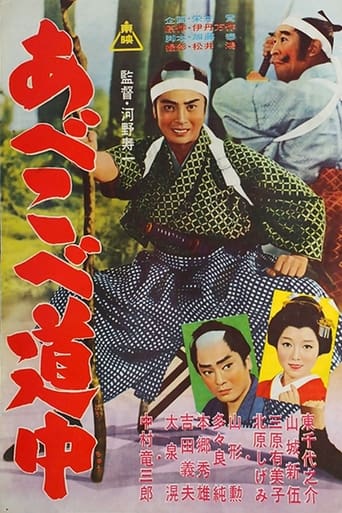
Abekobe dōchū
1962

Tales of Young Genji Kuro 3
1962
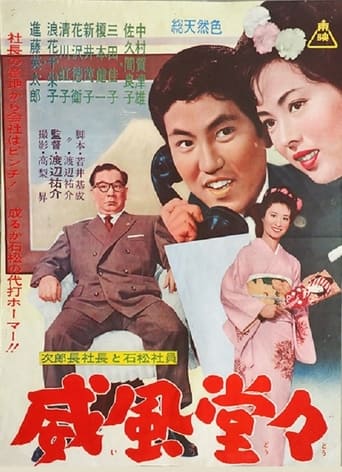
次郎長社長と石松社員 威風堂々
1962
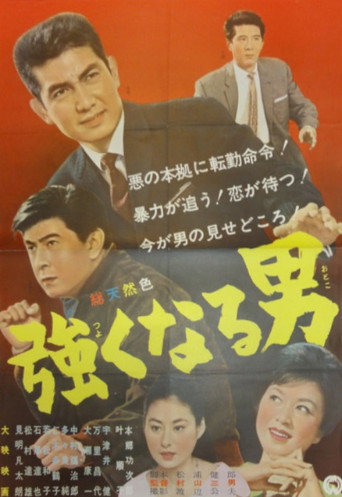
Tsuyoku naru otoko
1961
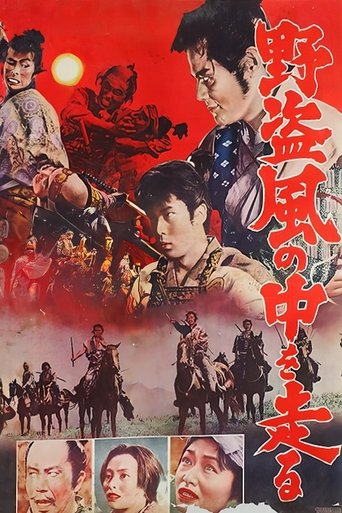
Bandits on the Wind
1961
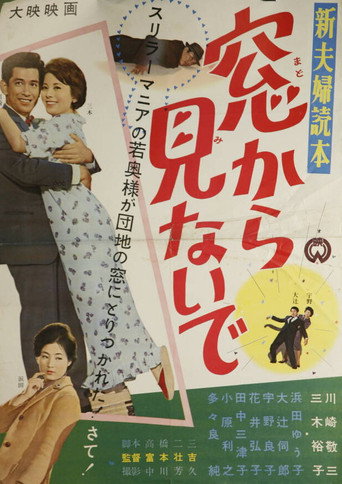
Shin fūfu dokuhon: Mado kara minaide
1961
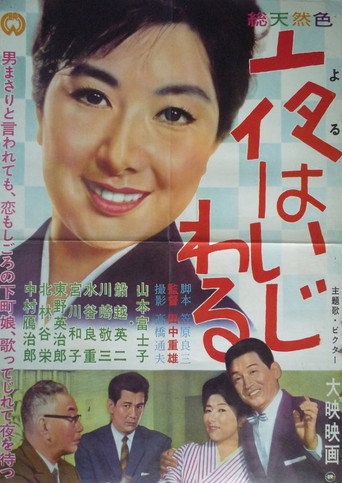
Yoru wa ijiwaru
1961
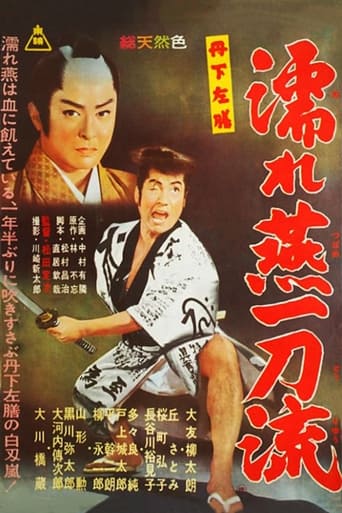
Tange Sazen and the Princess
1961 · Tsuzumi no Yokichi
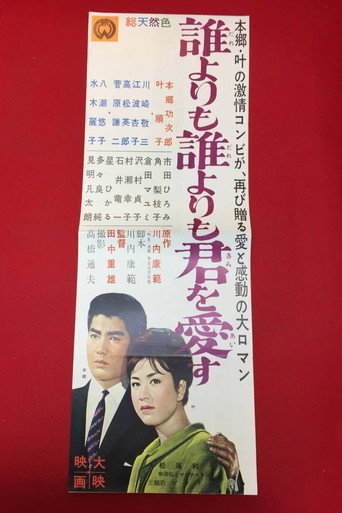
Dare yori mo dare yori mo kimi o aisu
1961

The Horizon Glitters
1961

Taiyō o iru mono
1961
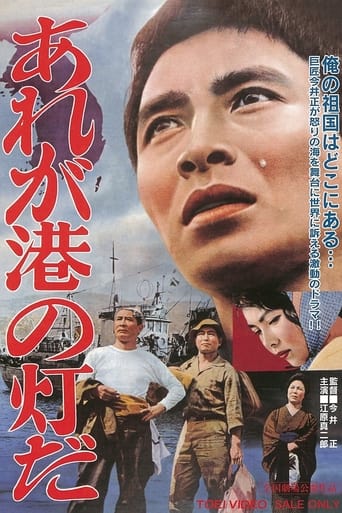
The Harbor Lights
1961

The World's Most Noble Guy: Taro's Whirlwind
1961
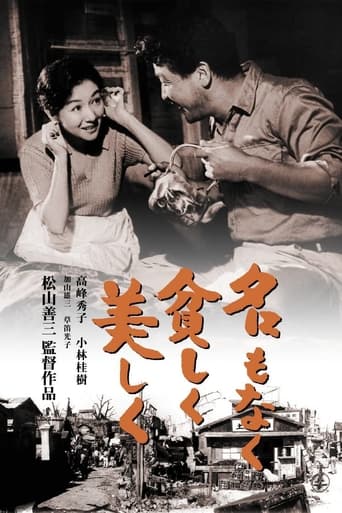
Happiness of Us Alone
1961
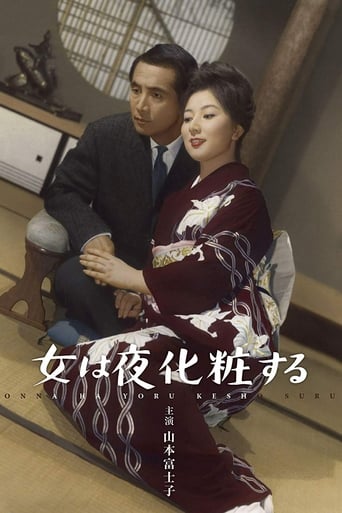
Nocturne of a Woman
1961
San kyōdai no kettō
1960
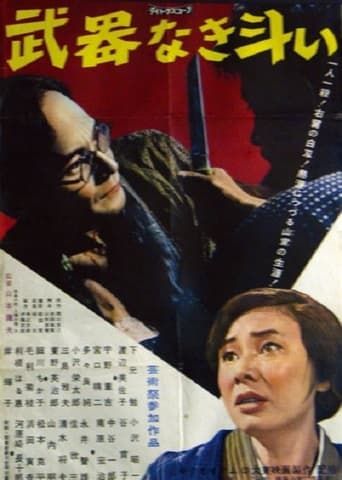
The War Without Weapons
1960 · Sugimori

Mighty Shosuke
1960
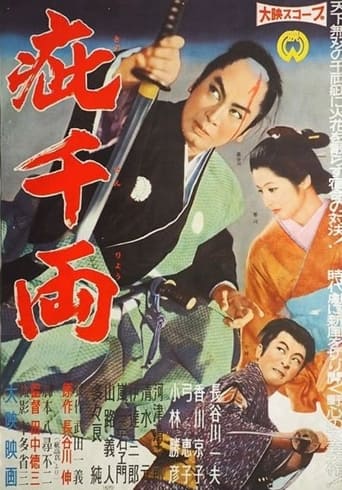
Scars of Honor
1960

The Last Trump Card
1960 · Ikeda
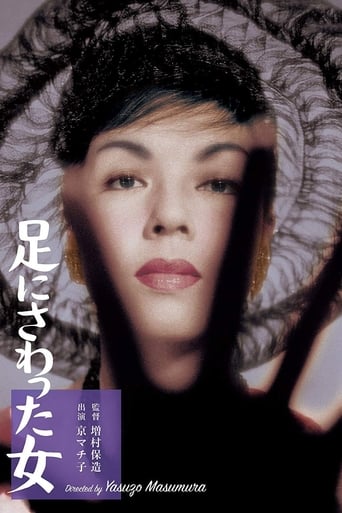
The Woman Who Touched Legs
1960

Scarred Yosaburo
1960
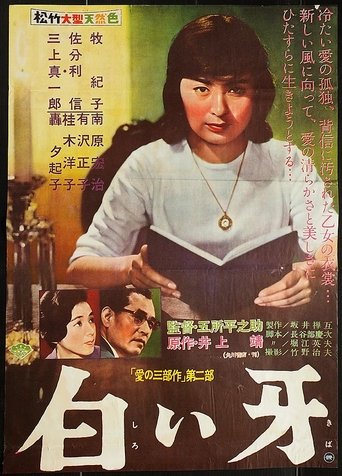
Shiroi Kiba
1960 · Kihara

Singing in the Sun
1960 · Shibata

Kirai Kirai Kirai
1960
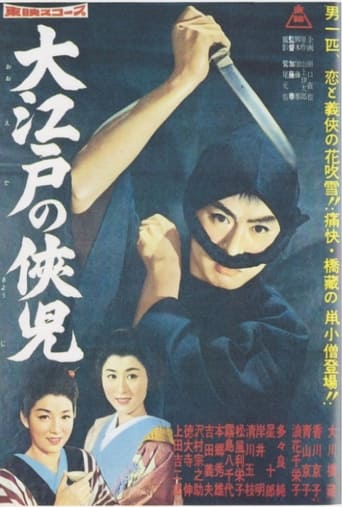
The Chivalrous Youth of Great Edo
1960
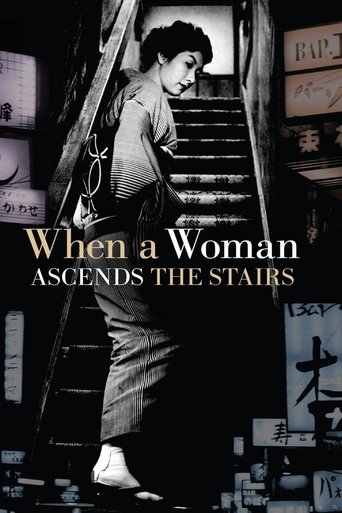
When a Woman Ascends the Stairs
1960 · Goldfish
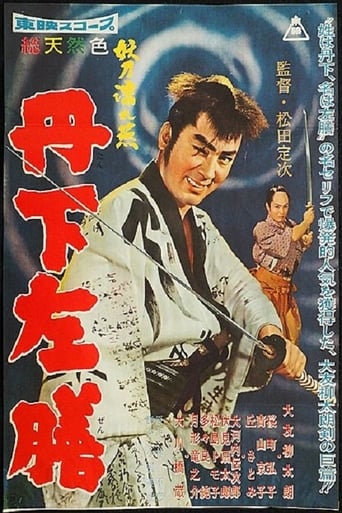
Return of the One-Armed Swordsman
1960
北白川こども風土記
1960

Speed Crazy
1959

3 Dolls Go to Hong Kong
1959
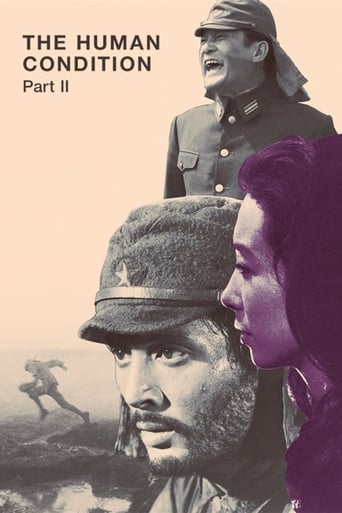
The Human Condition II: Road to Eternity
1959 · Hino Jun'i
Shōbushi to sono musume
1959
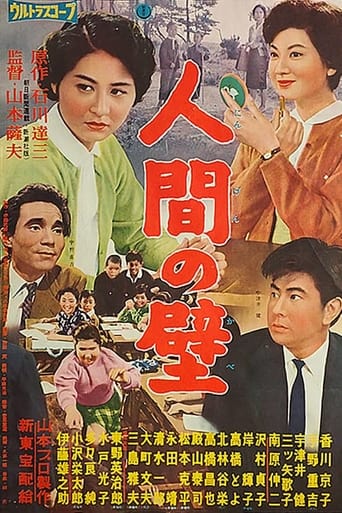
The Human Wall
1959
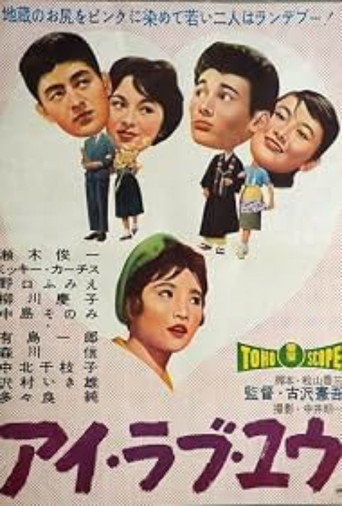
I Love You
1959

Koko ni otoko ari
1959
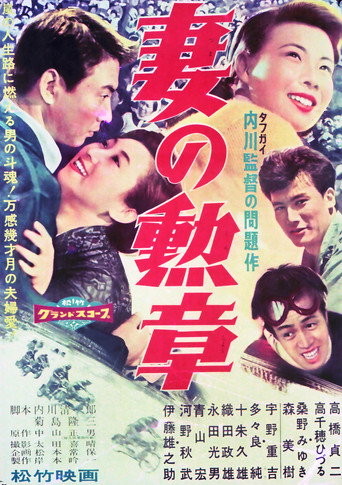
Tsuma no kunshō
1959
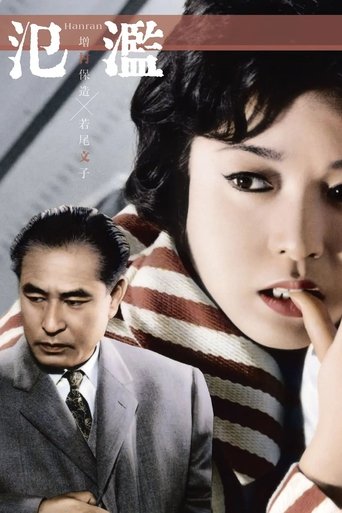
The Cast-Off
1959
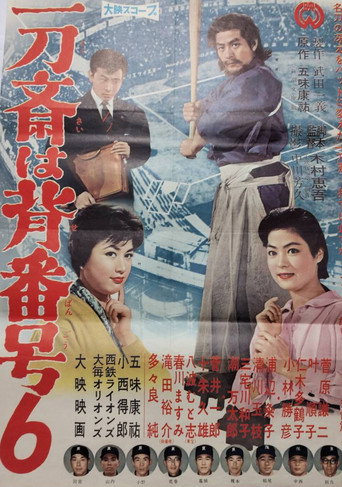
Ittōsai wa sebangō 6
1959

Fox and Raccoon
1959 · Dr. Hirate
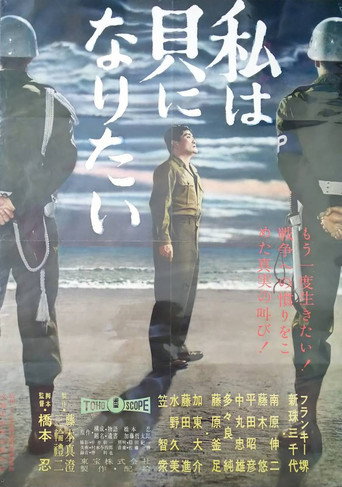
I Want to Be a Shellfish
1959
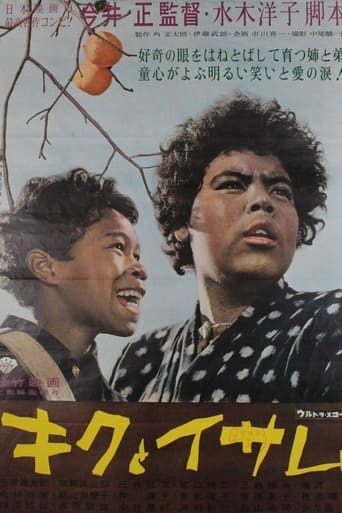
Kiku and Isamu: Two Siblings Born in Japan
1959

The Tokyo Dame
1959

Whirlwind Magistrate
1959

The Big Scoop: Challenge at Twilight
1959

A Young Rabble
1959
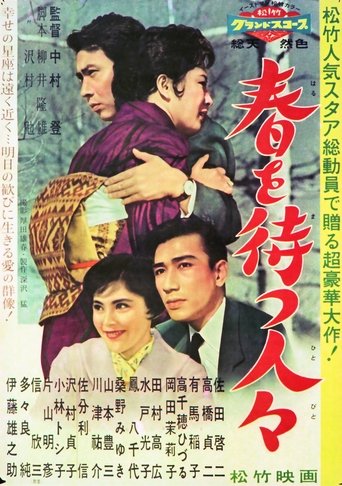
People Waiting for Spring
1959 · Ironworks Director Sakaguchi

Tange Sazen: Mystery of the Twin Dragons
1959
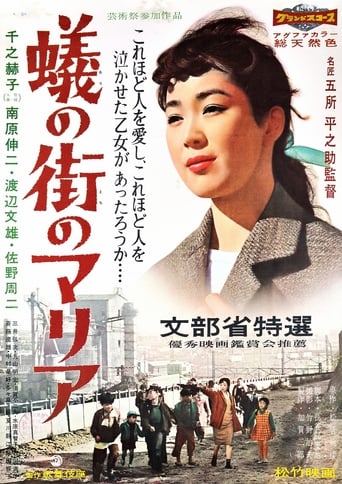
Maria of the Ant Village
1958

Blackmail
1958
The Spell of the Hidden Gold
1958
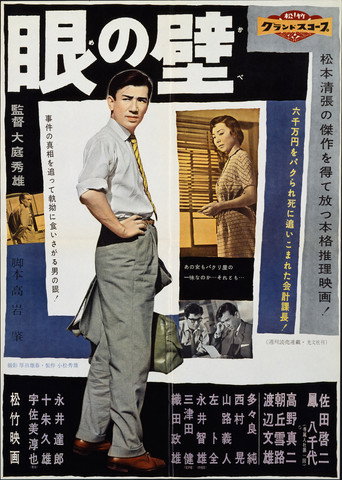
The Invisible Wall
1958
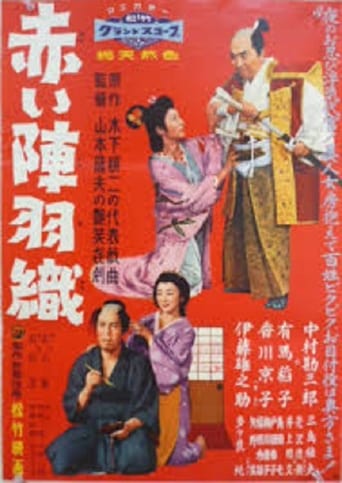
His Scarlet Cloak
1958
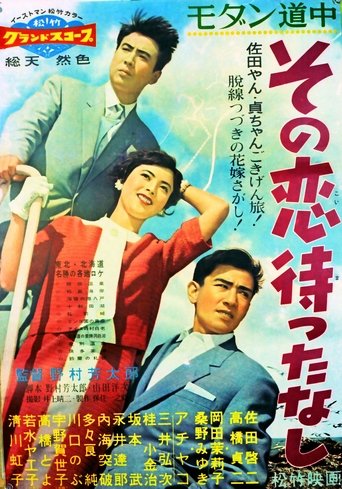
Modan dôchû: Sono koi matta nashi
1958

The Rickshaw Man
1958
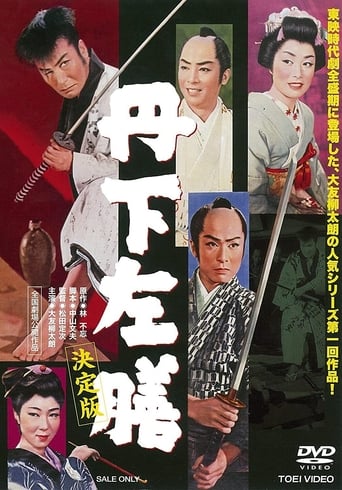
Secret of The Golden Spell
1958 · Tsuzumi no Yokichi
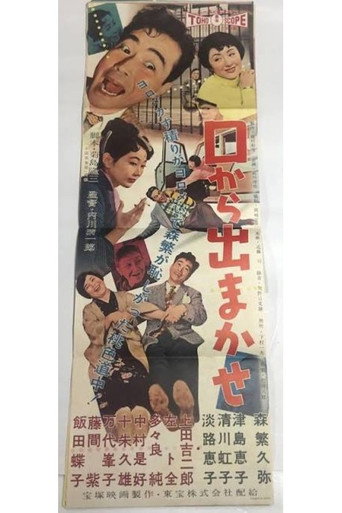
Fancy Talker
1958
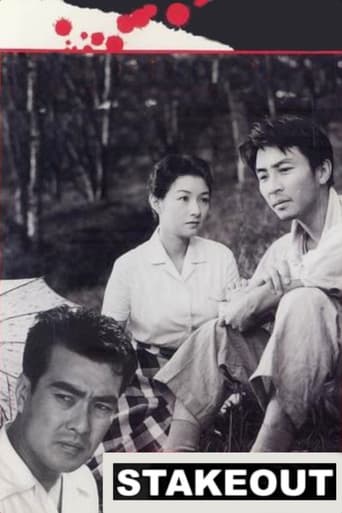
Stakeout
1958 · Saga Police Detective, Saga station inspector
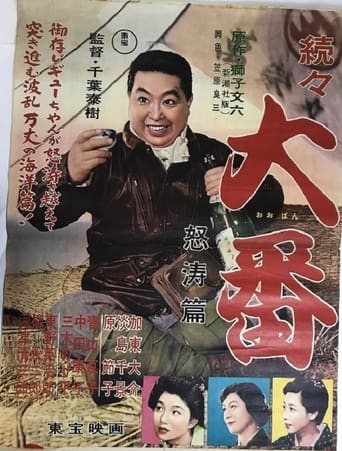
Zokuzoku Ôban: Dotô hen
1957 · Yamada
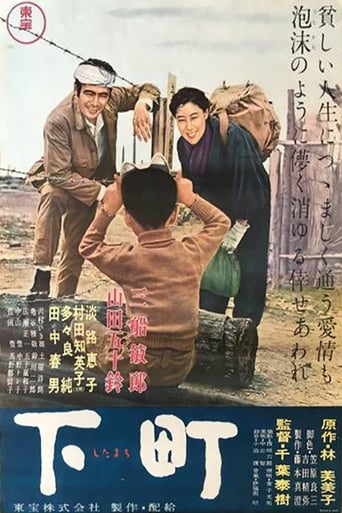
Downtown
1957

Skin-Colored Moon
1957 · Chief Kato

Police Precinct Part 5
1957 · Kubota Keizo
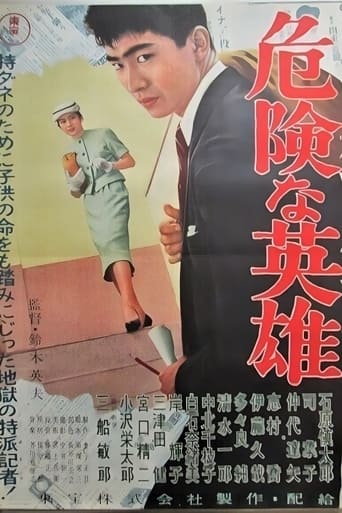
A Dangerous Hero
1957 · Deputy Director Tomonari
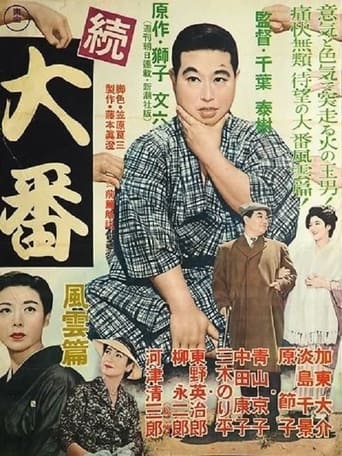
Zoku Ôban: Fûun hen
1957

Snow Country
1957
Evening Calm
1957
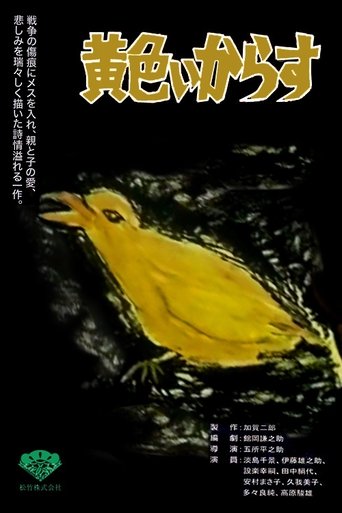
Yellow Crow
1957
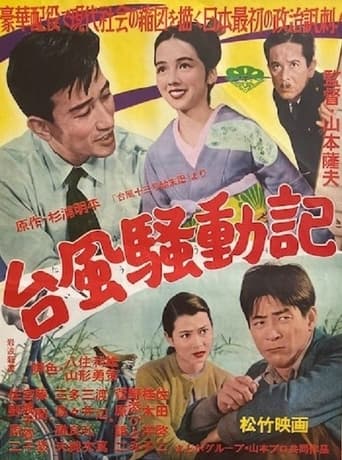
Typhoon Furor
1956

I Will Buy You
1956 · Yûsuke Shima
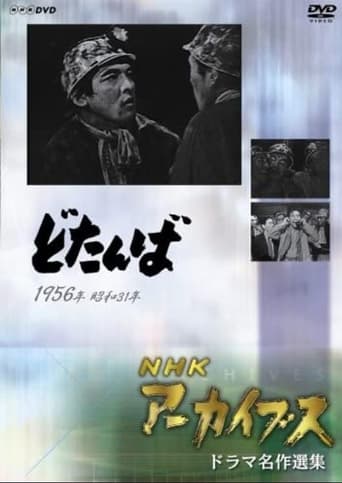
Dotanba
1956
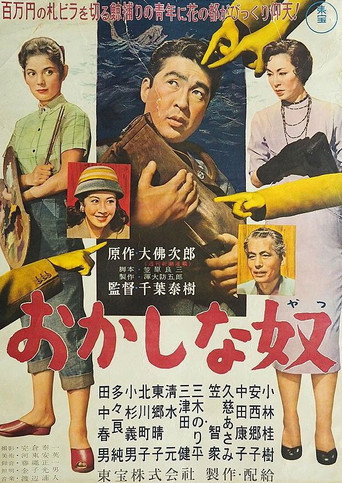
Funny Fellows
1956

Pure Love
1956
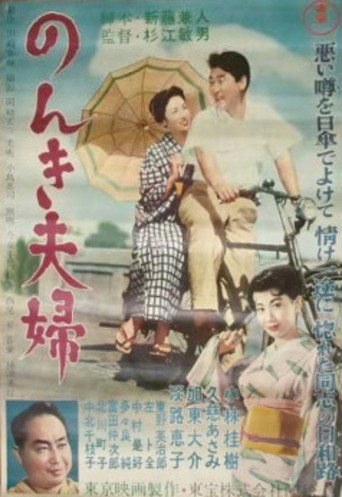
Easy-Going Married Couple
1956

Midori naru hito: kōhen ai no honryū
1956
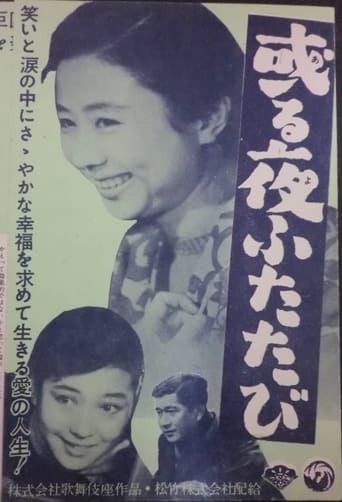
Twice on a Certain Night
1956

Midori naru hito: zenpen wakare no yogisha
1956
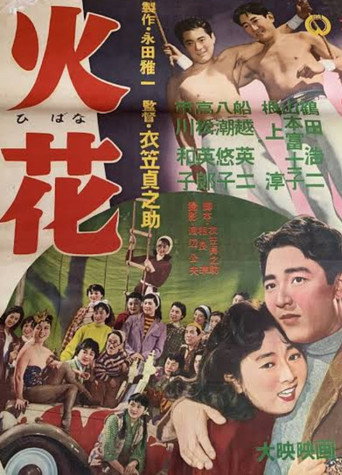
Spark
1956
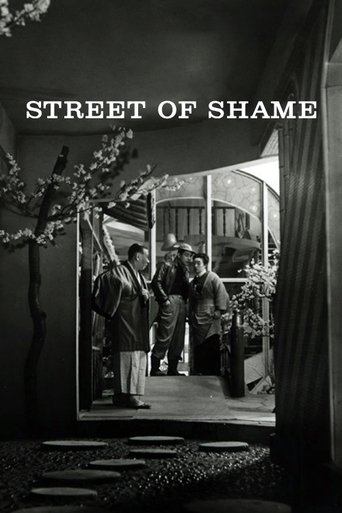
Street of Shame
1956 · Yumeko's Client
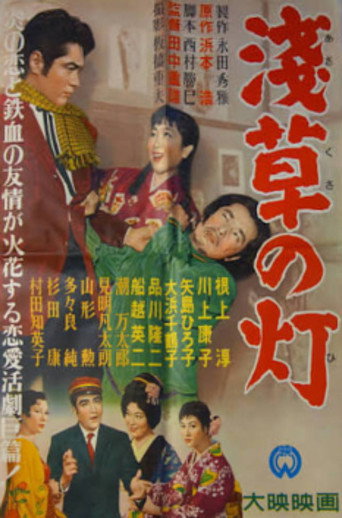
Asakusa Lights
1956

The Spoiled Brat President
1956
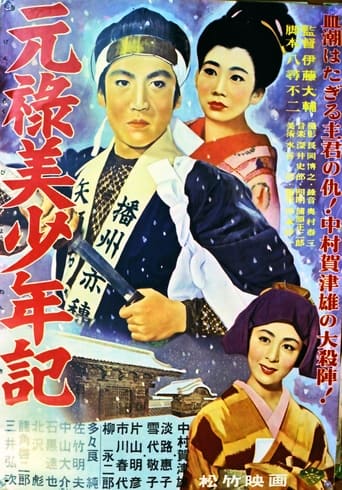
元祿美少年記
1955 · 寺坂吉右衛門
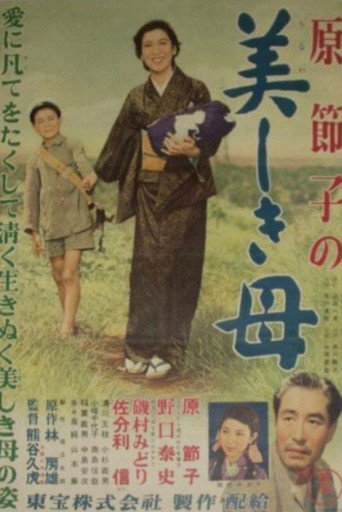
Image of Mother
1955
Santōshain to onna hisho
1955

Shōnen shikeishū
1955
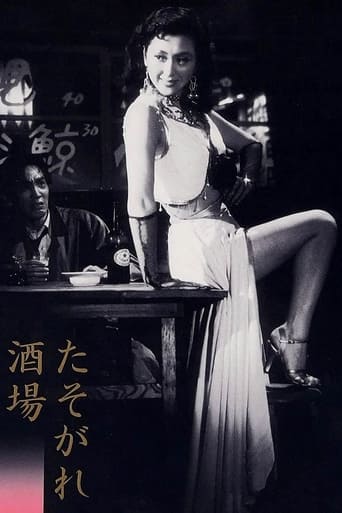
Twilight Saloon
1955 · Tetsuo Kumishima
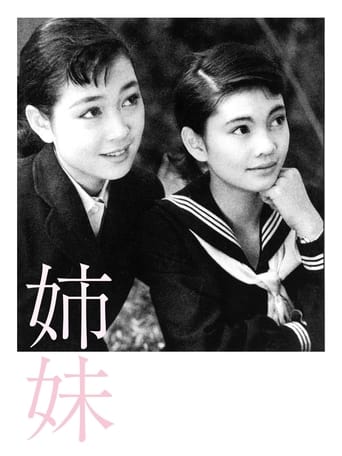
Sisters
1955
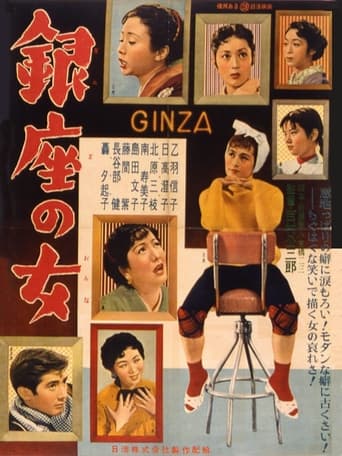
Women of Ginza
1955

The Big Ambition
1955 · Tadasuke
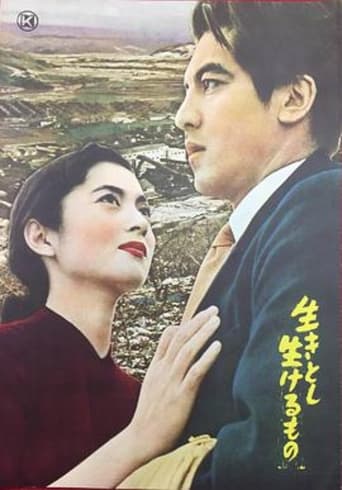
Striving to Live
1955
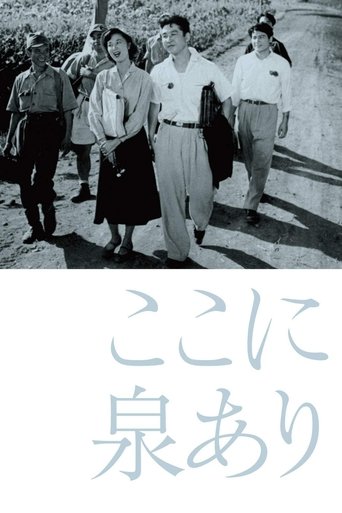
Here Is a Spring
1955
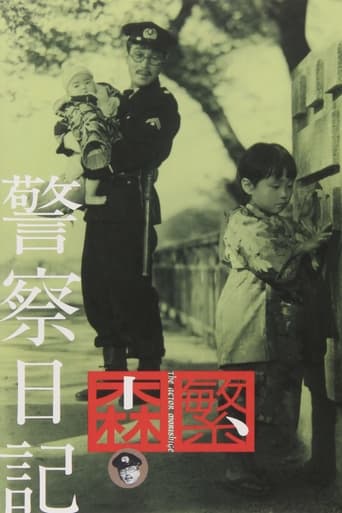
Policeman's Diary
1955 · Kurebayashi
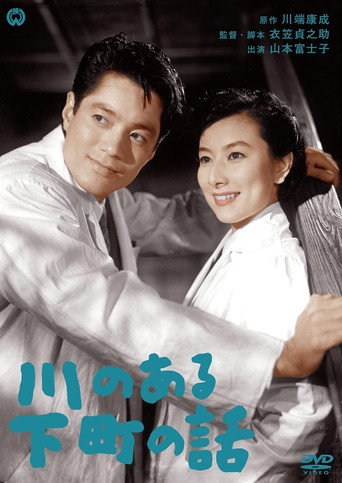
Kawa no aru shitamachi no hanashi
1955
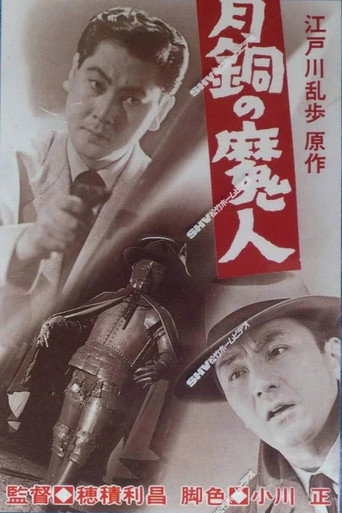
The Bronze Monster
1954 · Shiroemon Akaboshi
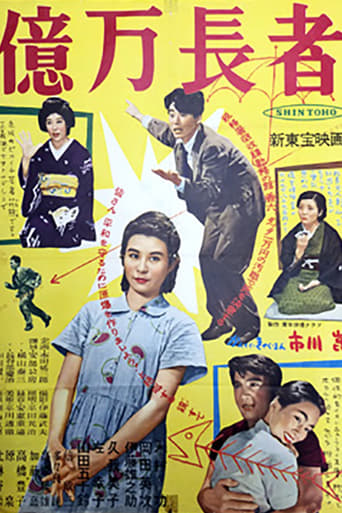
A Billionaire
1954
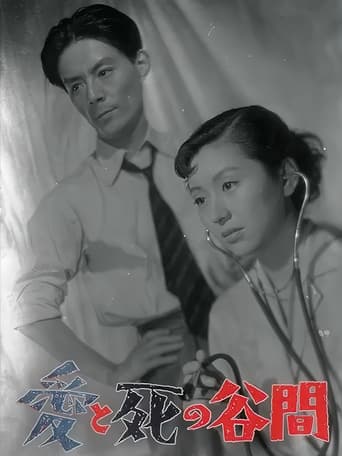
The Valley Between Love and Death
1954

一本刀土俵入
1954
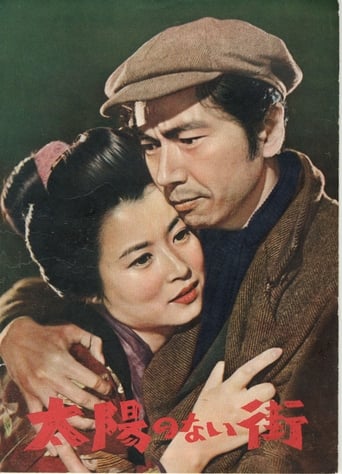
The Street Without Sun
1954 · Kuroiwa

Seven Samurai
1954 · Coolie A
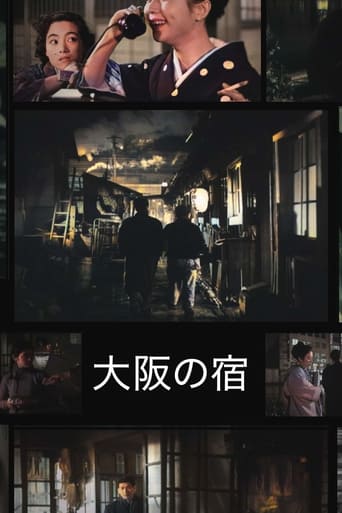
An Inn at Osaka
1954
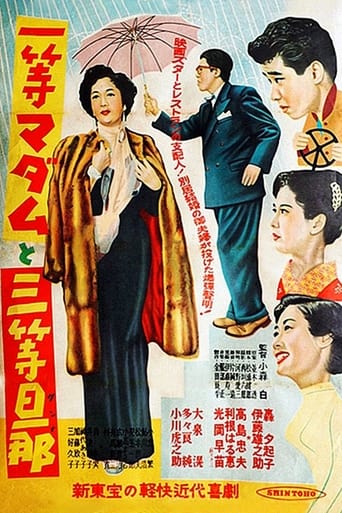
Madam of the first class and husband of the third class
1954

Dancing Girls of Izu
1954
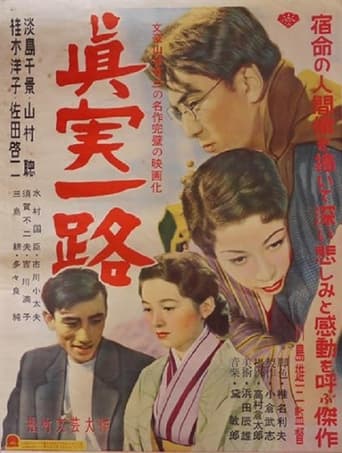
Love and Duty
1954

Kyūkon sannin musume
1954
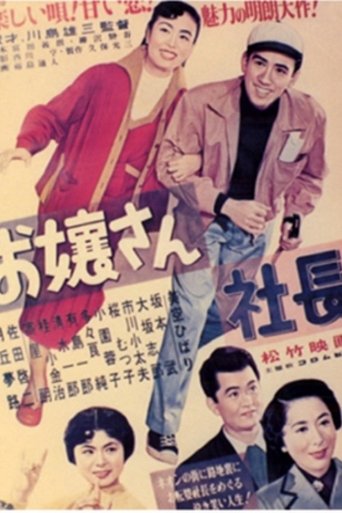
Young Miss Executive
1953
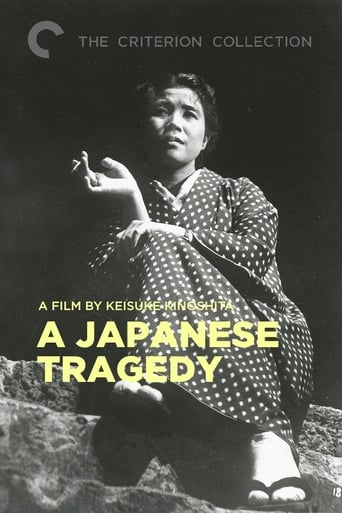
A Japanese Tragedy
1953
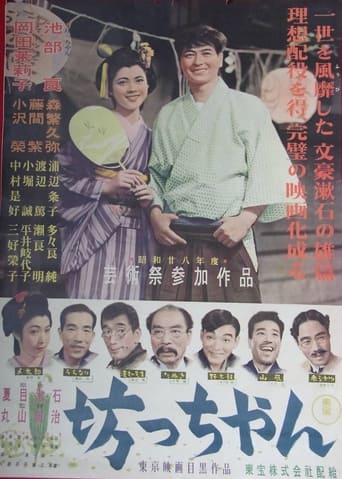
Bot-chan
1953 · Nodaiko
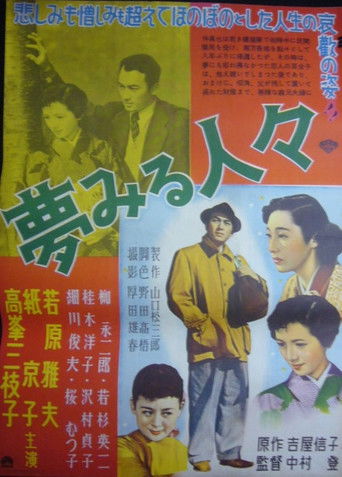
Dreaming People
1953
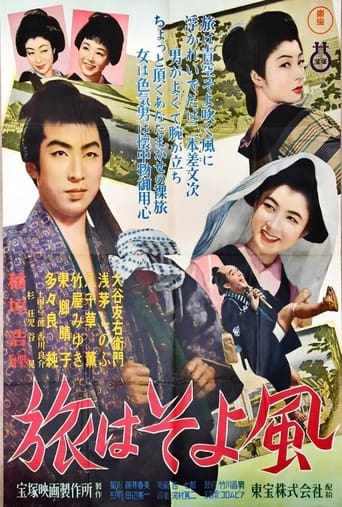
Traveling with Breeze
1953
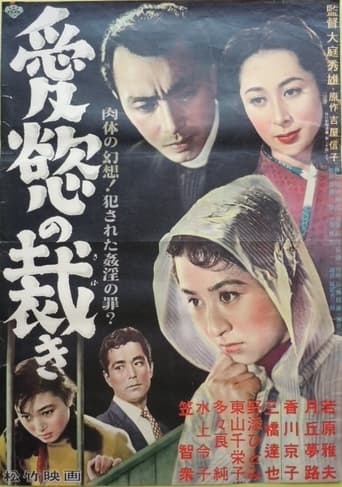
Aiyoku no sabaki
1953
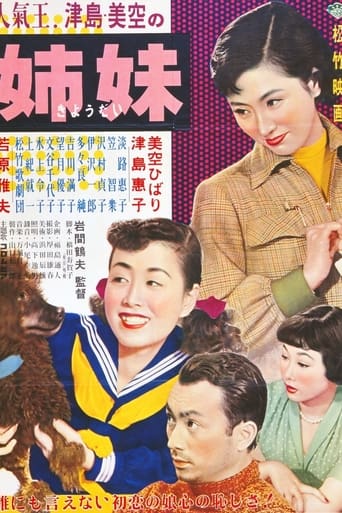
Sisters
1953
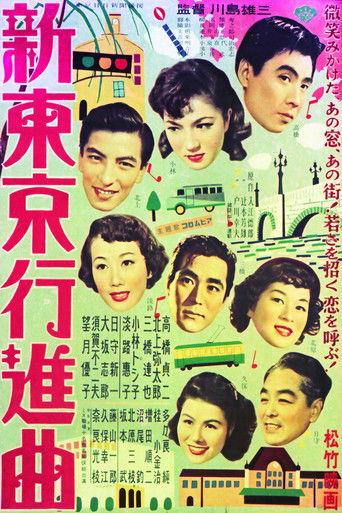
New Tokyo March
1953
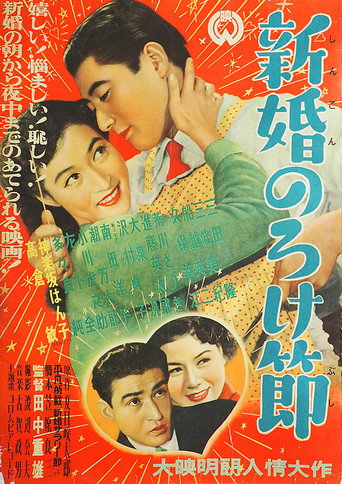
Shinkon noroke bushi
1953
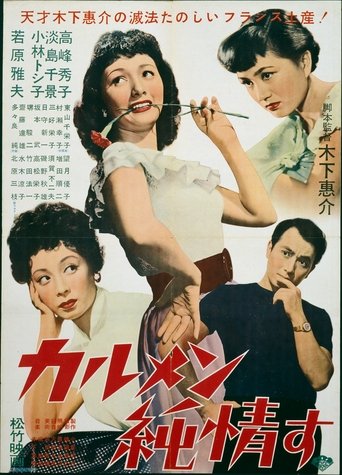
Carmen's Innocent Love
1952
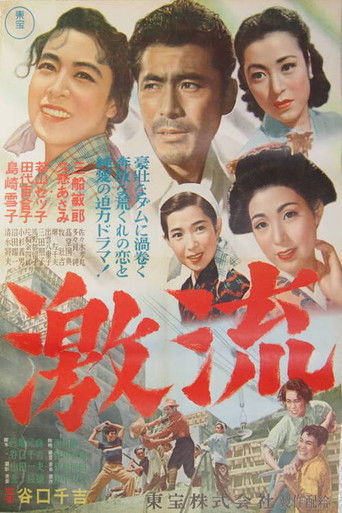
Swift Current
1952

Today is Payday
1952 · Izumi
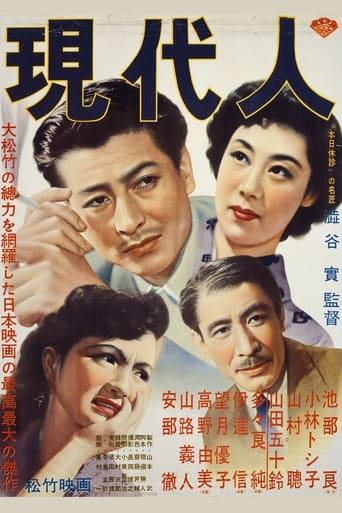
Modern People
1952
Children of Hiroshima
1952
Doctor's Day Off
1952
Riverside Fish Market Empire
1952
Miss Hanaogi and Santa
1952

限りなき情熱
1951
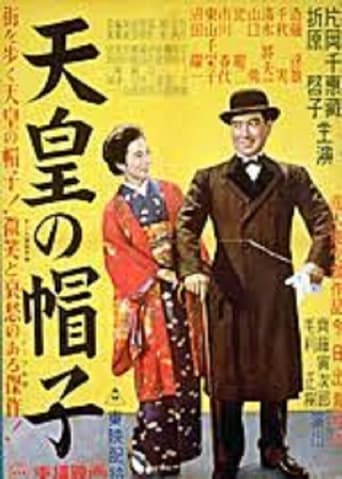
The Emperor's Hat
1950
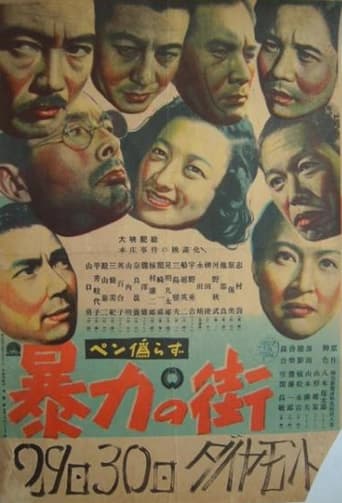
Town of Violence
1950 · Yamamoto