Louis Daquin
Louis Daquin is a French director and screenwriter, born May 30, 19081 in Calais and died October 2, 1980 in Paris, in a family of small traders. Law graduate and graduate of HEC, after having been a journalist, advertising editor at the Renault factories, and having tried his hand at theatrical writing, Louis Daquin, Louis Léon Auguste Daquin of his full name, became assistant director in 1932, he worked notably with Fedor Ozep, Pierre Chenal, Julien Duvivier, Abel Gance and especially Jean Grémillon.
He produced his first film in 1938 with the French version of Gerhard Lamprecht's film Le Joueur. He made several feature films during the Occupation, while he was engaged in the Resistance with the French Communist Party, on whose behalf he shot a short film after the Liberation. He also wrote in 1941 a detective novel, The Enigma of Pelham, under the pseudonym of Lewis MacDakin. He held several positions during his career: secretary general of the Committee for the Liberation of Cinema in 1944, co-founder of the General Cooperative of French Cinema, secretary general of the CGT Film Production Technicians Syndicate from 1945 to 1962, and president of the Société des Réalisateurs de Films (SRF) from 1977 to 1978. The General Confederation of Labor (CGT) commissioned a documentary from him on the great miners' strike of 1948, in full strike, with commentary by Roger Vailland. Louis Daquin also offers his first major film role to Michel Piccoli, in "Le Point Du Jour", a chronicle again devoted to the life of miners in the North. Despite some noticed films, he encountered difficulties from the 1950s to finance his projects. His political commitments are indeed worth to him to be progressively marginalized. An adaptation of "Bel-Ami" was thus cut to pieces by censorship in the second half of the 1950s. He left to shoot in Romania "Les Chardons Du Baragan" in 1957, based on the novel by Panaït Istrati, East Berlin, an adaptation of "La Rabouilleuse", by Balzac. In 1962, he was content to be production manager on "Paris Brûle-T-Il?" by Rene Clement. He made his last film in 1963, "La Foire Aux Dunces". He began another career, in 1970, as director of studies at the Institut des Hautes Études Cographiques, until his retirement in 1977.
Louis Daquin was married to actress Clara Gansard with whom he had two children, Jean-Michel and Marc Daquin. He was the natural father of the militant Trotskyist Michel Recanati. He disappeared on October 2, 1980 in Paris. The municipal cinema of Blanc-Mesnil (Seine-Saint-Denis) will bear his name. The municipal theater of La Ricamarie (Loire) is called Salle Louis-Daquin. In Oissel (Seine-Maritime), a street bears the name of Louis-Daquin.
Photos


Movies (28)
Le Parti du cinéma
2021 · Self (voice) (archive footage)
L'Agression
1973 · Viel homme
Léa in Winter
1971
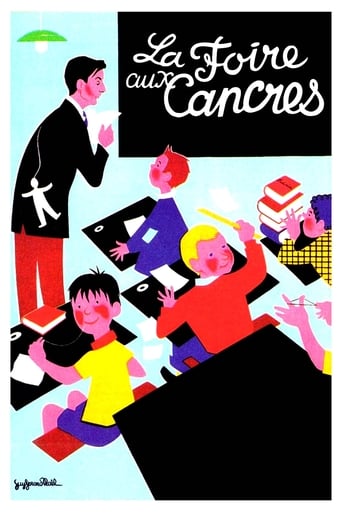
The Blockhead Fair
1963 · Director
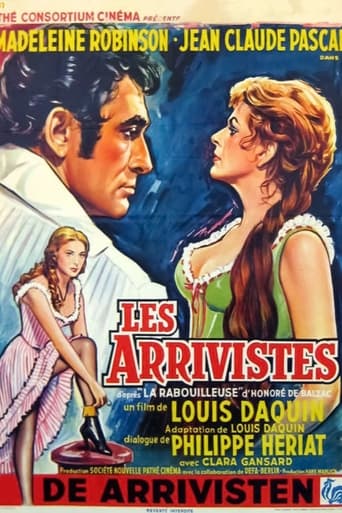
The Opportunists
1960 · Director, Writer
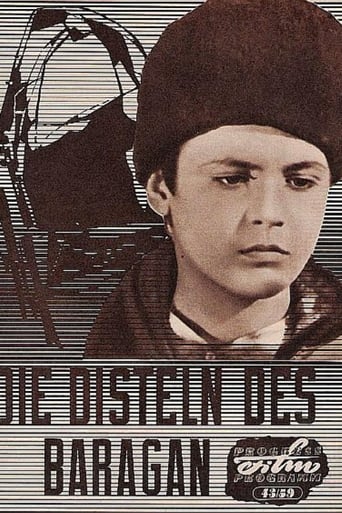
The Thistles of the Bărăgan
1959 · Director
Paris mange son pain
1958 · Self
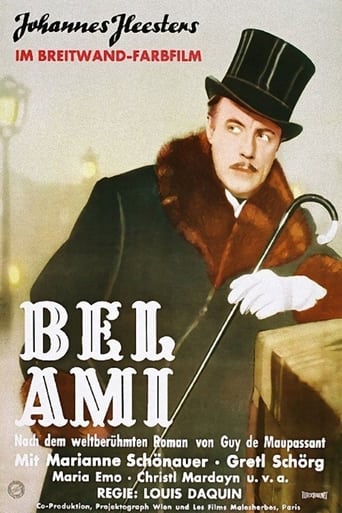
Bel Ami
1955 · Director, Writer
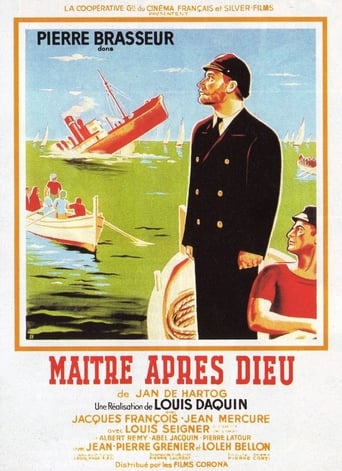
Skipper Next to God
1951 · Director
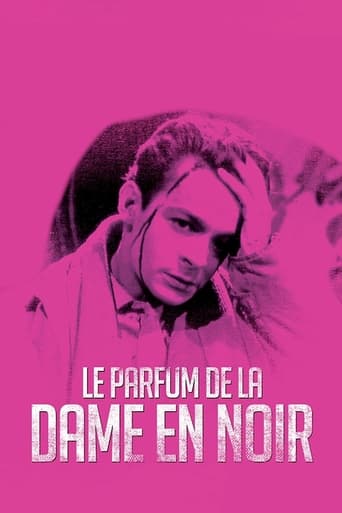
The Perfume of the Lady in Black
1949 · Director
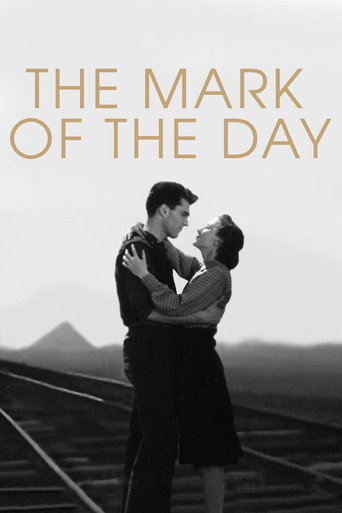
The Mark of the Day
1949 · Miner (uncredited), Director, Writer
La Bataille de la vie
1949 · Director
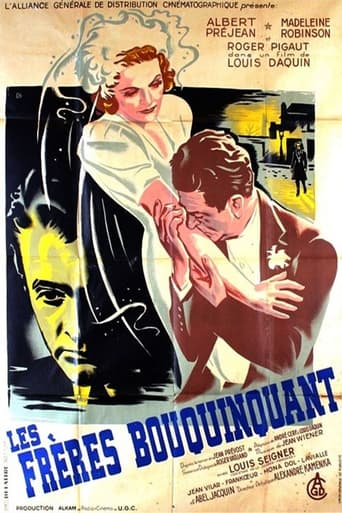
The Bouquinquant Brothers
1948 · Director, Writer
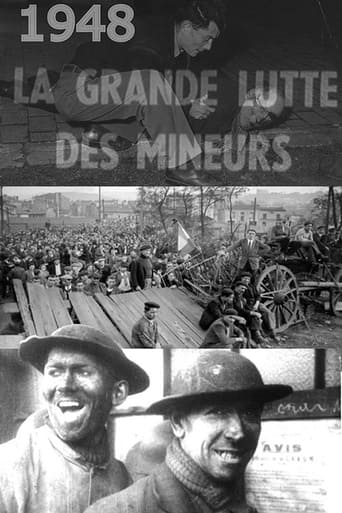
La Grande lutte des mineurs
1948 · Director
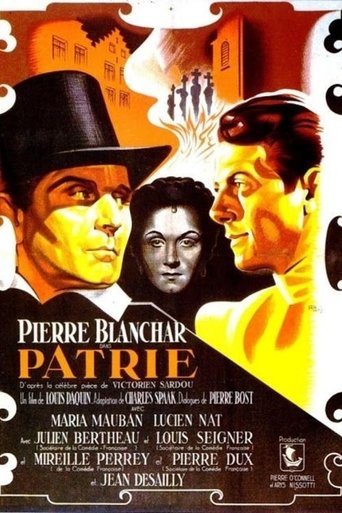
Homeland
1946 · Director, Screenplay
Nous continuons la France
1946 · Director
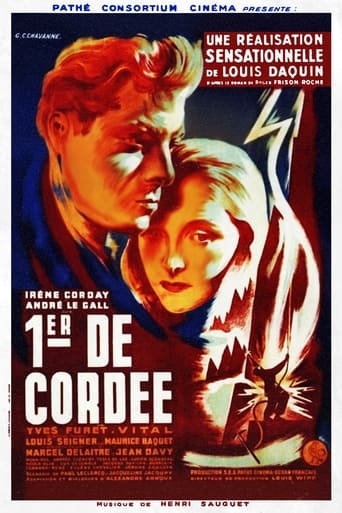
First in Line
1944 · Director
Autour d'un film de montagne
1944 · Self
Adieu Léonard
1943 · (uncredited)
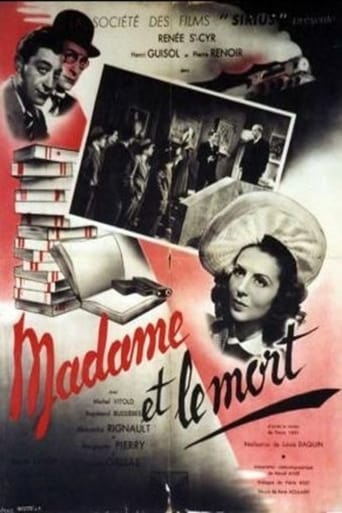
Madame et le mort
1943 · Director
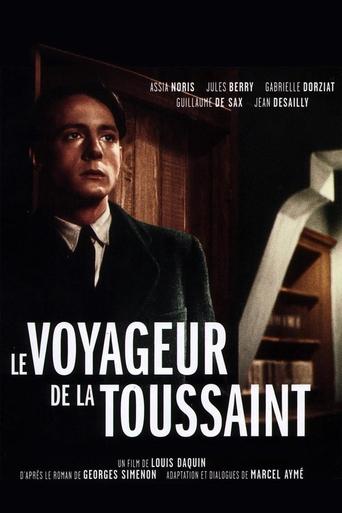
Le Voyageur de la Toussaint
1943 · Director
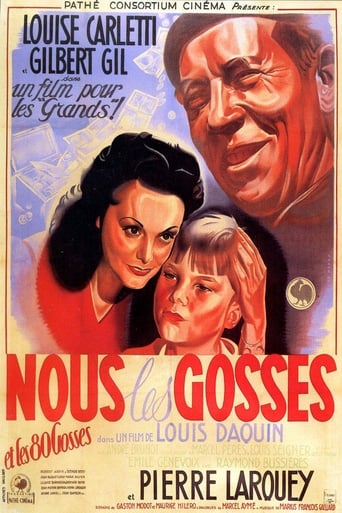
Portrait of Innocence
1941 · Director, Writer
Stormy Waters
1941 · Assistant Director
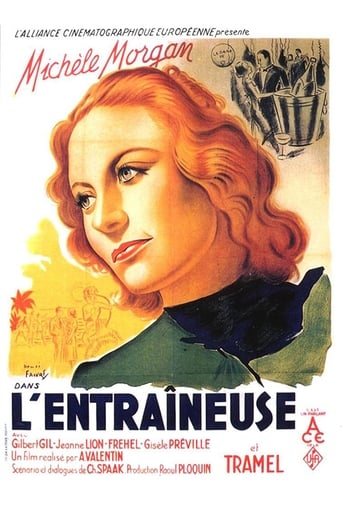
Nightclub Hostess
1939 · Assistant Director
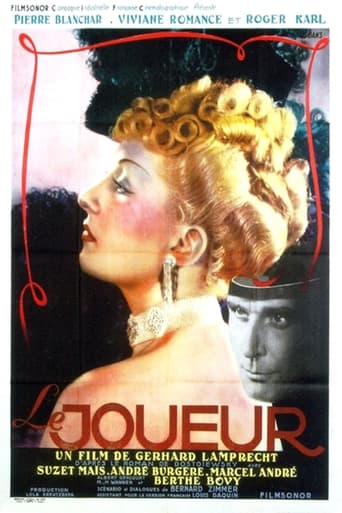
Le Joueur
1938 · Director

Lady Killer
1937 · Assistant Director
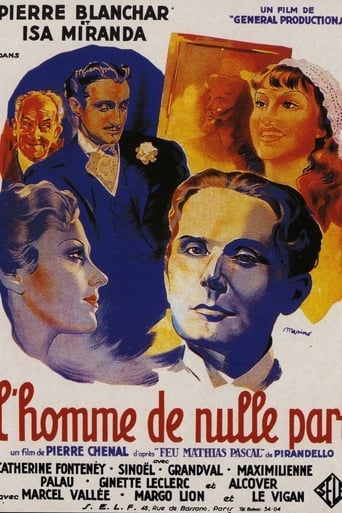
The Man from Nowhere
1937 · le concierge de l'hôtel, (non crédité)
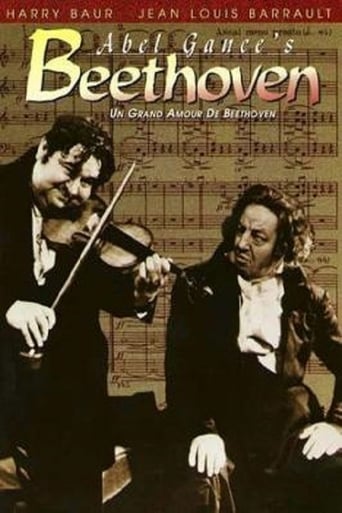
The Life and Loves of Beethoven
1937 · Producer